Get your best work done at the neighborhood work club.
Design
HTML/CSS
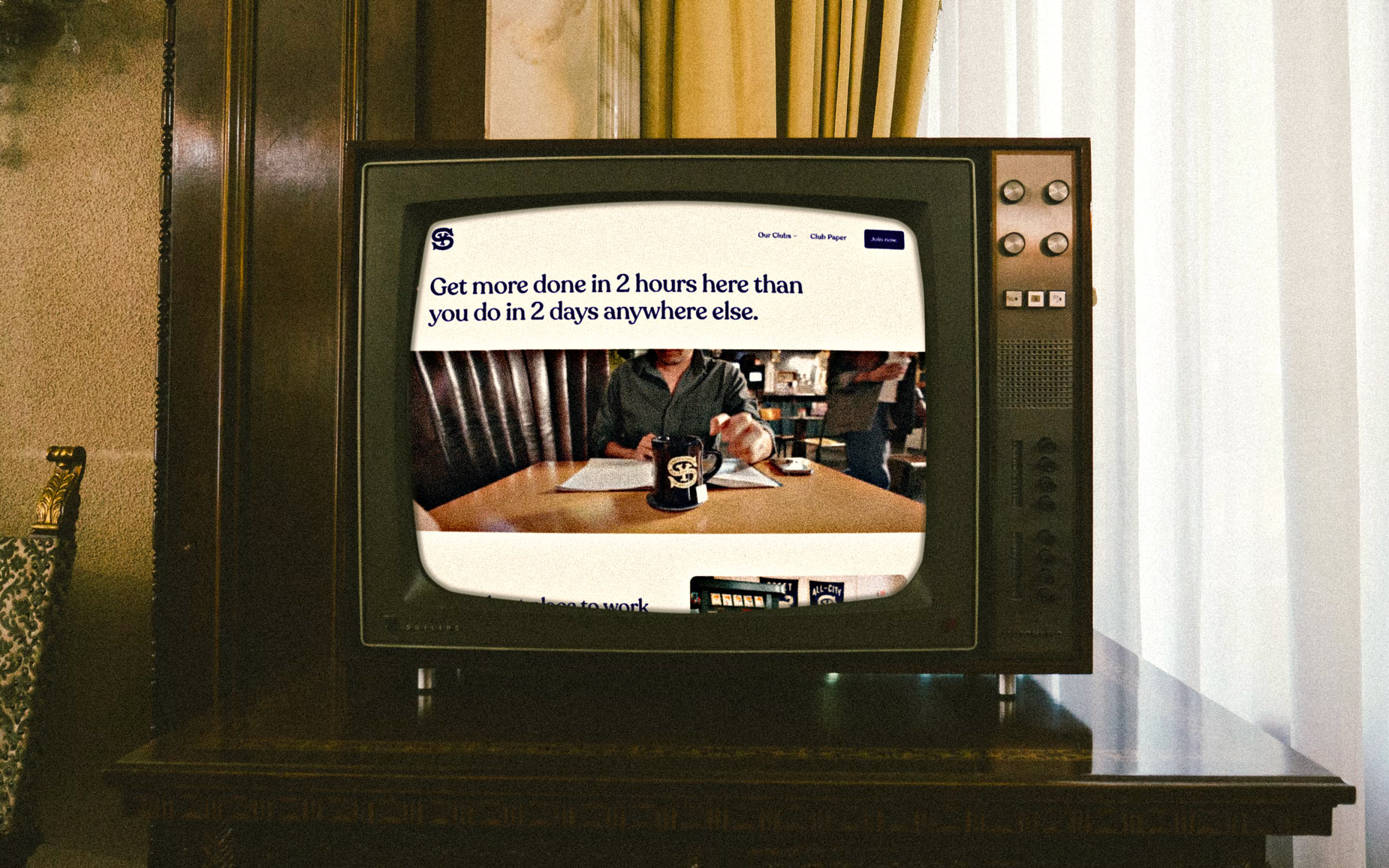
Switchyards operates a growing network of neighborhood work clubs in 16 (and growing) US cities. I joined as Sr. Web Designer, working as part of a small in-house design team within their marketing department. My role covered both the digital experience and the physical brand presence across their locations, from the website and membership flows to signage, campaigns, and print.
industry
Coworking / Community
project type
B2C Extension - Inhouse
role
In-house
focus area
Branding, UX/UI Design, Strategy
The Brief
Request
Switchyards reached out looking for a senior designer to join a growing team. New clubs were opening across multiple cities, creating a steady stream of design needs across digital and physical channels. They needed someone who could contribute at a senior level and help bring more direction and cohesion to the design work happening across the team.
Deliverable
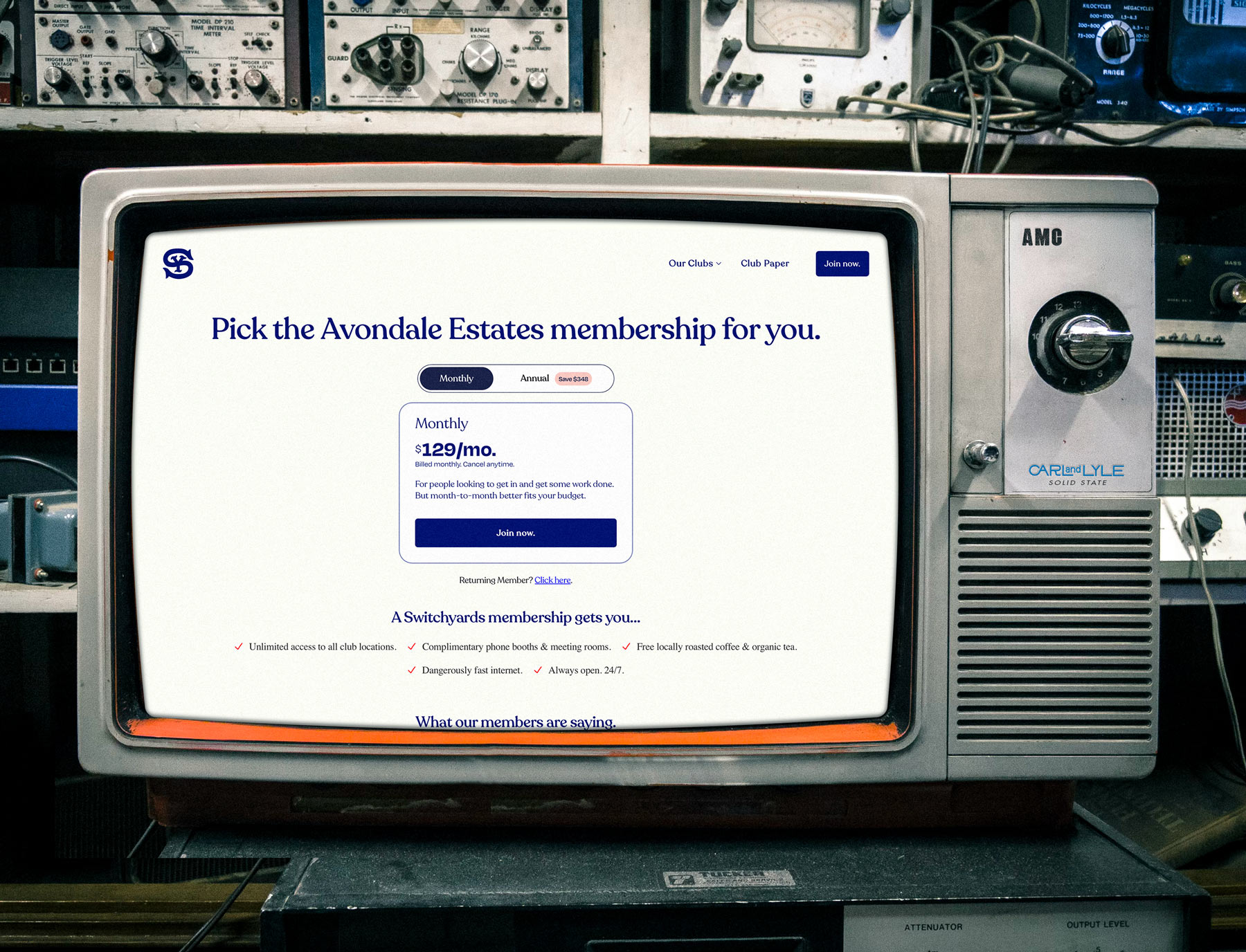
My work on the marketing team spanned both digital and physical channels. On the web side, that meant designing and coding a new mega menu, improving the membership checkout flow with better tracking, updating CSS across the site, and A/B testing new location page layouts as the club network expanded into new cities. The ongoing challenge was managing multiple location pages on a platform that wasn't built for that kind of scale. On the print side, I handled production and contributed design, feedback, and ideas to the quarterly Club Paper, a 48-page newspaper and one of the brand's signature pieces, across four issues. That included coordinating printing and distribution across 30 clubs in 8 cities. Beyond that, I produced a steady volume of custom graphics for email, social, and in-club campaigns supporting new openings, seasonal promotions, and member retention.
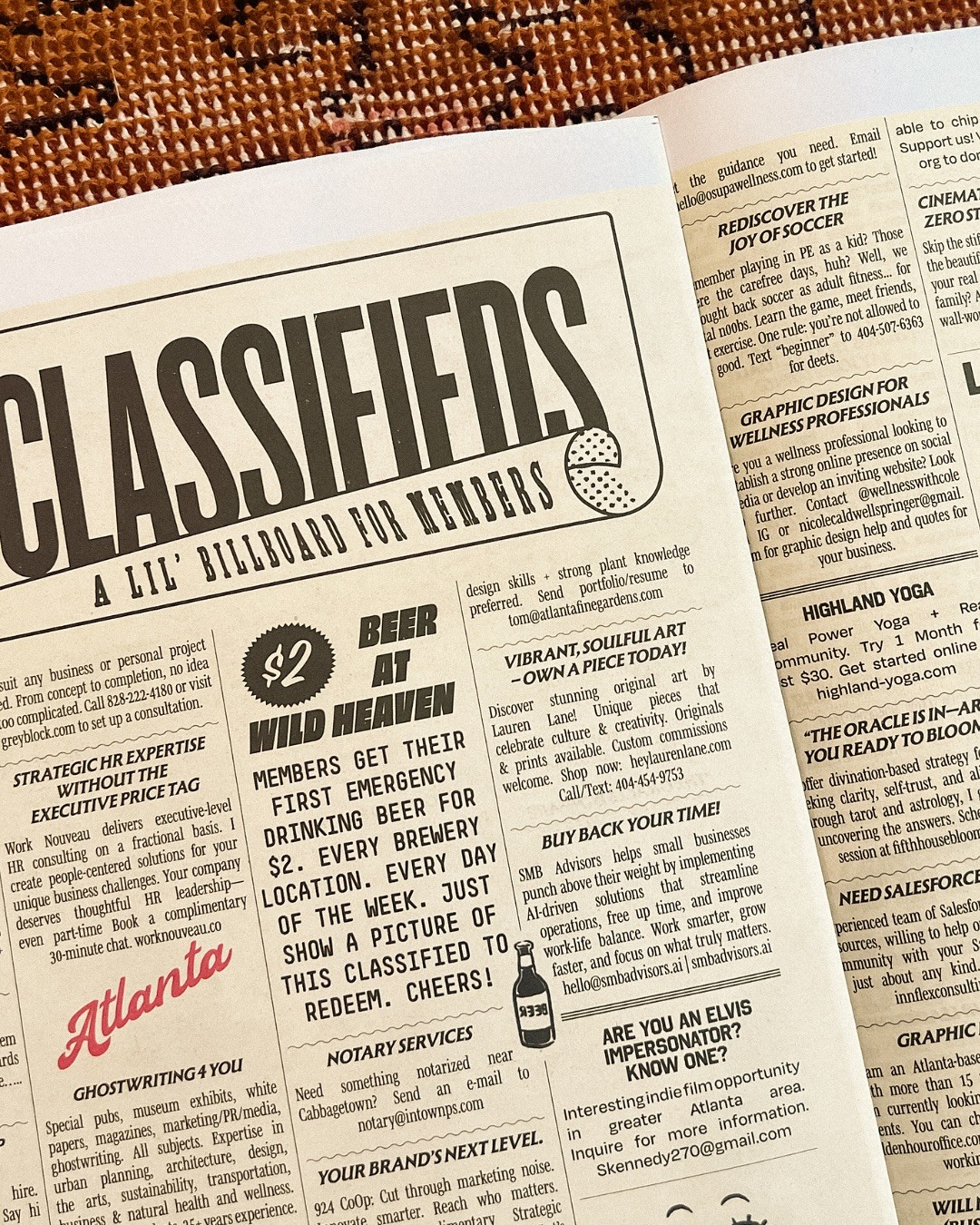
Section of the Classifieds section I custom designed.
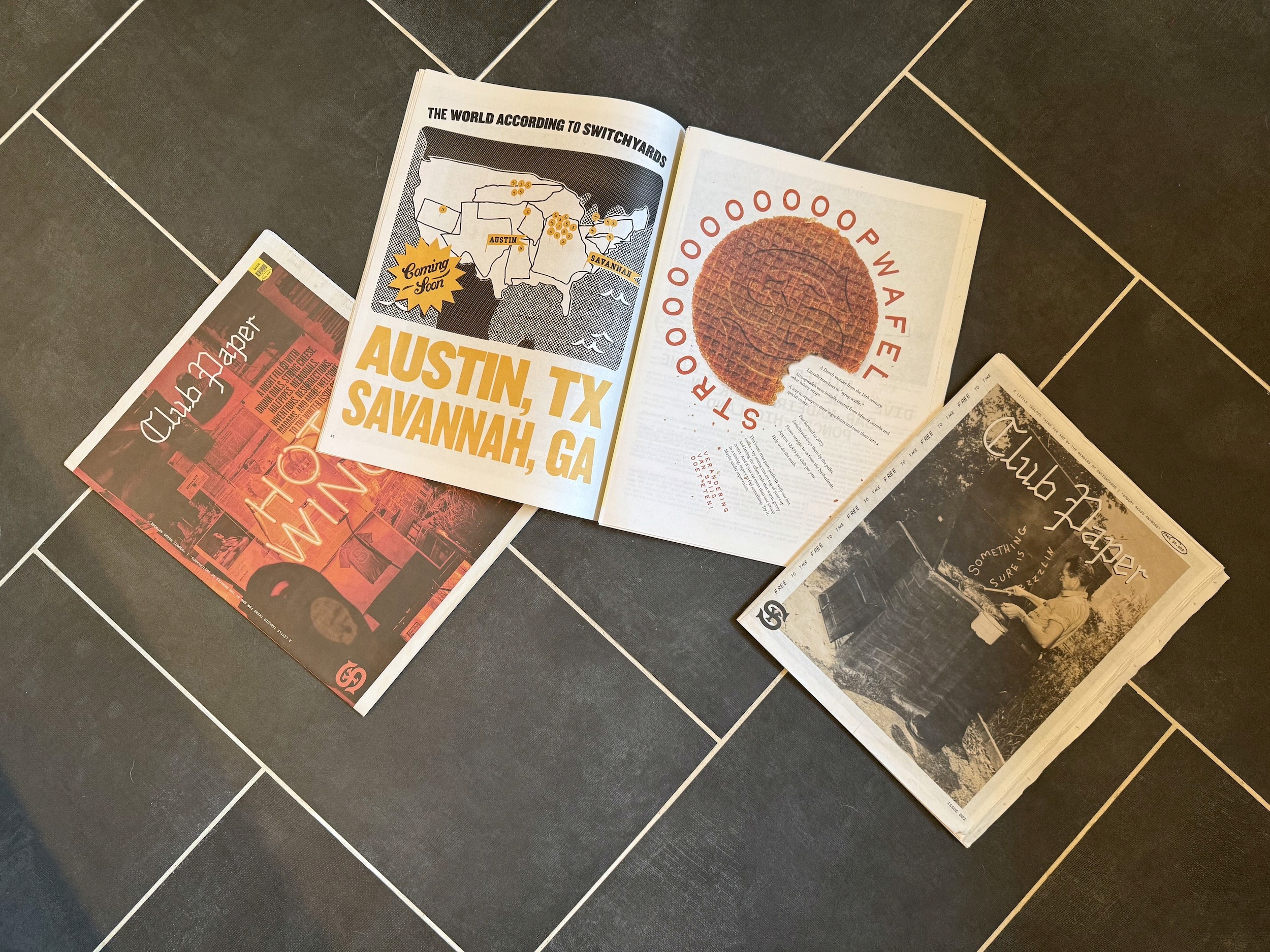
Spread of multiple issues of the quarterly newspaper Club Paper.
Approach
I started by auditing the existing site, taking screenshots of potential problem areas, and building a wishlist of fixes. I then combed through the jungle of 5 years worth of Squarespace CSS to find what could be improved/cleaned up, using AI to assist in reviewing the code and build out custom elements where Squarespace's native tools fell short. As the number of clubs and cities grew, it was clear the current navigation wasn't going to scale. Due to Squarespace's inability to support nested navigation folders, a mega menu was going to take some custom work. I worked through several iterations with the team, and eventually hacked an existing plugin to suit our needs. Improvements to the checkout flow we're needed to stop the bleeding of confused potential members as well as lighten the load on the customer support team. Through a collaboration with a new hire with experience in backend development, we moved the purchase experience off Stripe's server-side, allowing us to properly track and retarget incomplete signups. The Club Paper production was a ballancing act, but a labor of love. Getting to work on print material is rare these days, and I'll always jump at the opportunity. With the overall content being set by the creative, I owned the layout, select design desicions, production, printer coordination, and club distribution. One quirk worth noting: each issue had four poster spreads, pages that look separate in the layout file but land on the same physical sheet when printed. Another design feather in my cap was the classifieds section, which ran eight to ten spreads per issue and consumed a significant chunk of production time. Each spread had multliple custom designed callouts. I introduced Figma and FigJam to the marketing team and the rest of the company. The team responsible for planning and building out physical club spaces ended up adopting FigJam for their own ideation and space design work. Finally, I created A/B location page tests for a few clubs after reviewing heatmap data. We saw that most visitors weren't reading our longform branding copy at the intro of each page. I built alternate versions with the most actionable content pushed to the top and the brand storytelling moved lower. Early results showed improvement in page views and clicks on the membership CTA.
Further Reading
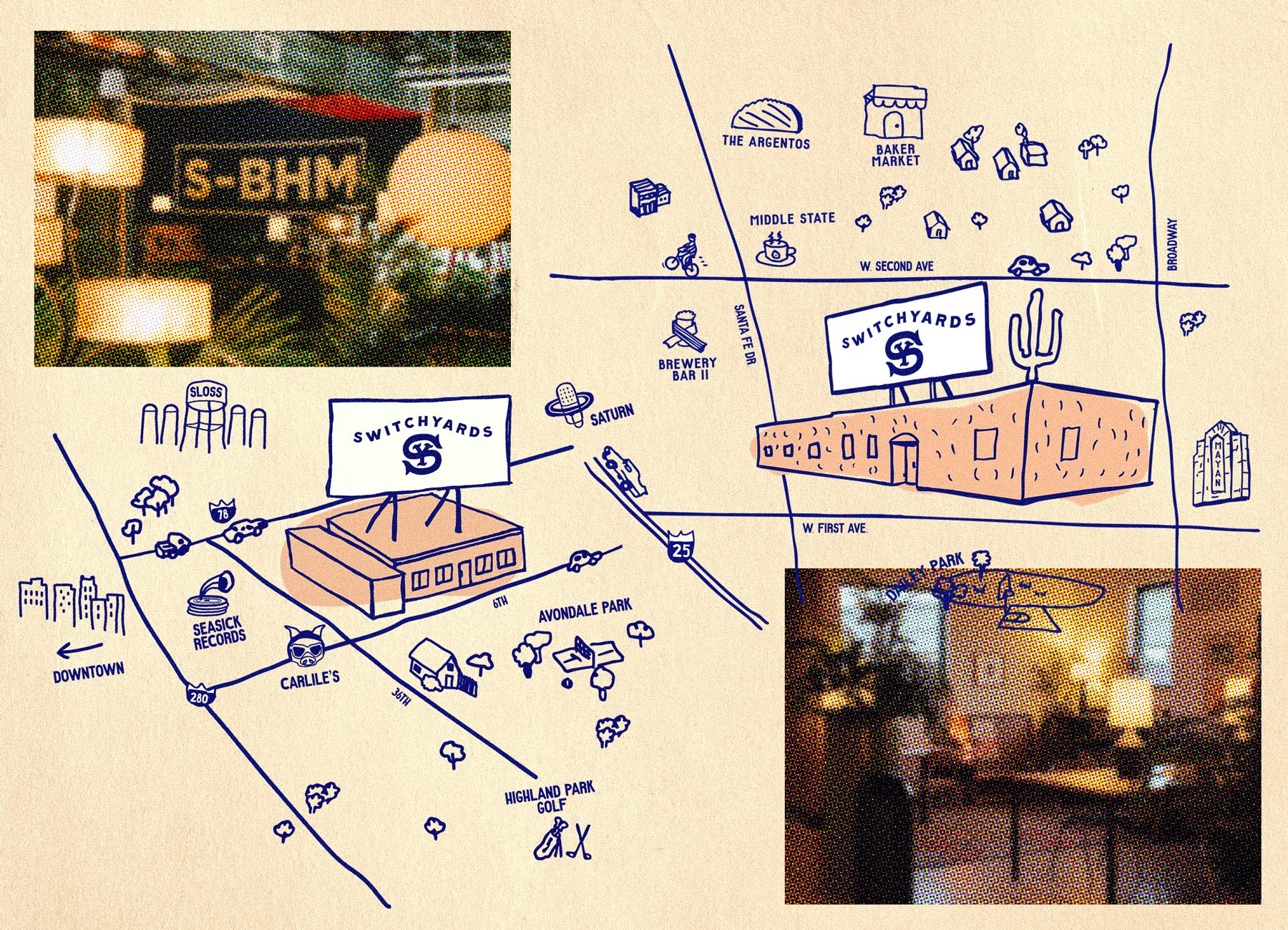
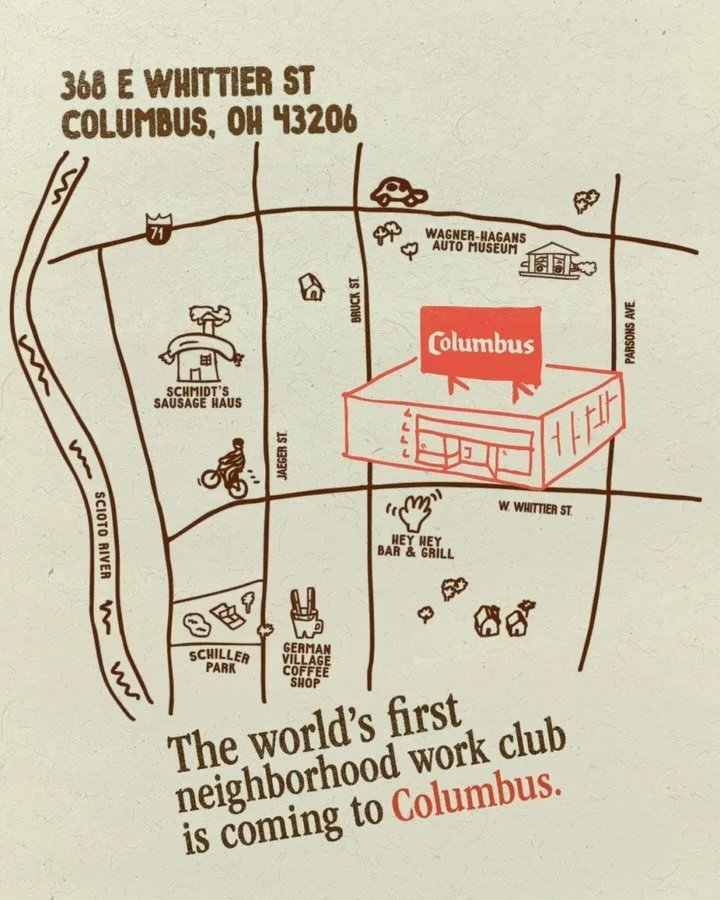
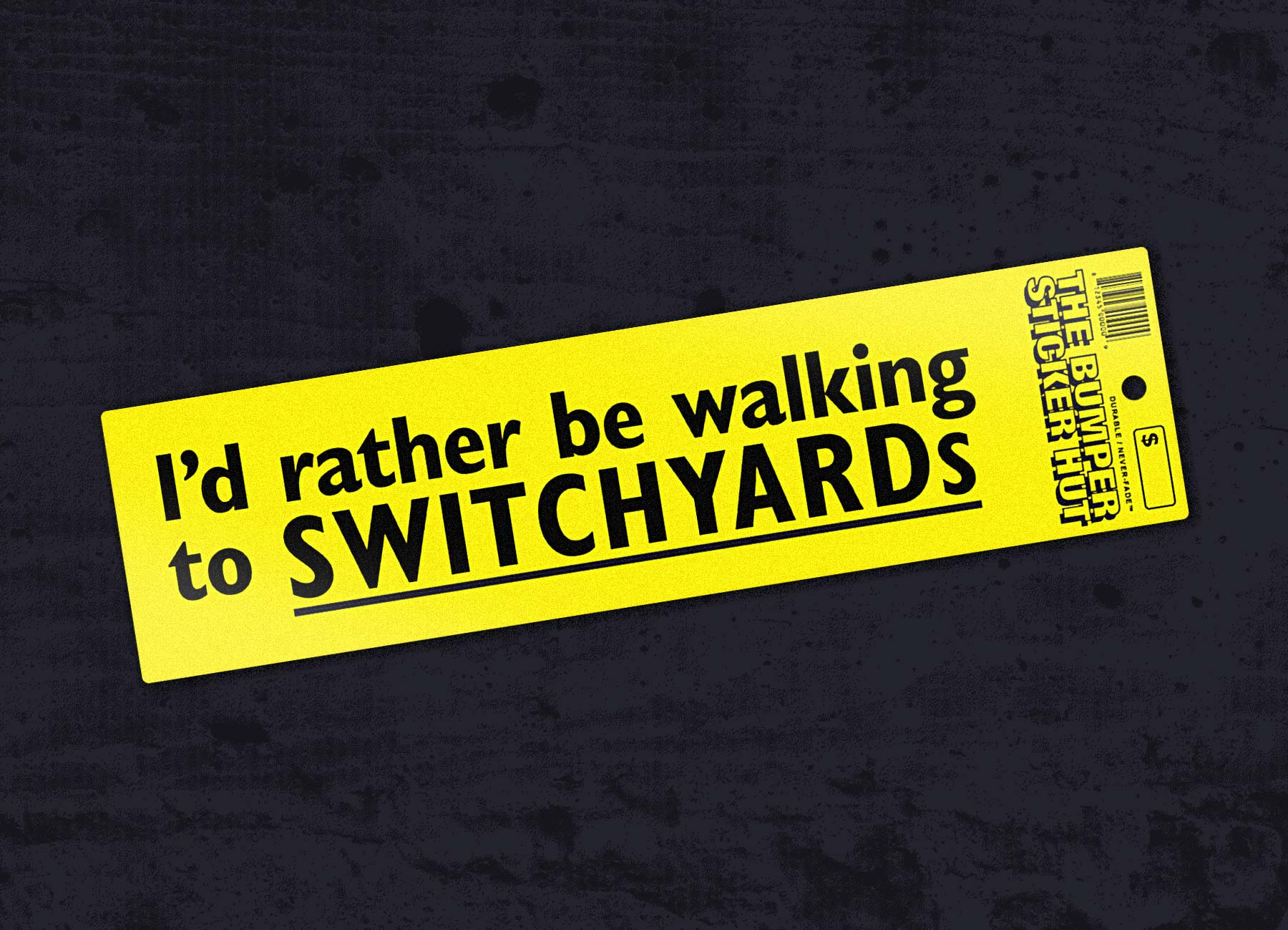
More custom graphics and club logos for social media and web design.


Outcome
Over the course of my work at Switchyards, we launched 13 new clubs across multiple cities, each requiring a full suite of digital and physical assets across every phase of the opening. Every launch sold out their available memberships, and several did so in under two minutes. All of which was driven by email and text campaigns built and coordinated through the marketing team. Site traffic grew steadily throughout. The Club Paper ran for four issues under my watch before moving to a digital format. The Figma and FigJam rollout stuck beyond the design team, with other departments adopting it for their own planning work. The A/B location page tests were showing measurable improvement in membership CTA clicks before the engagement wrapped.